
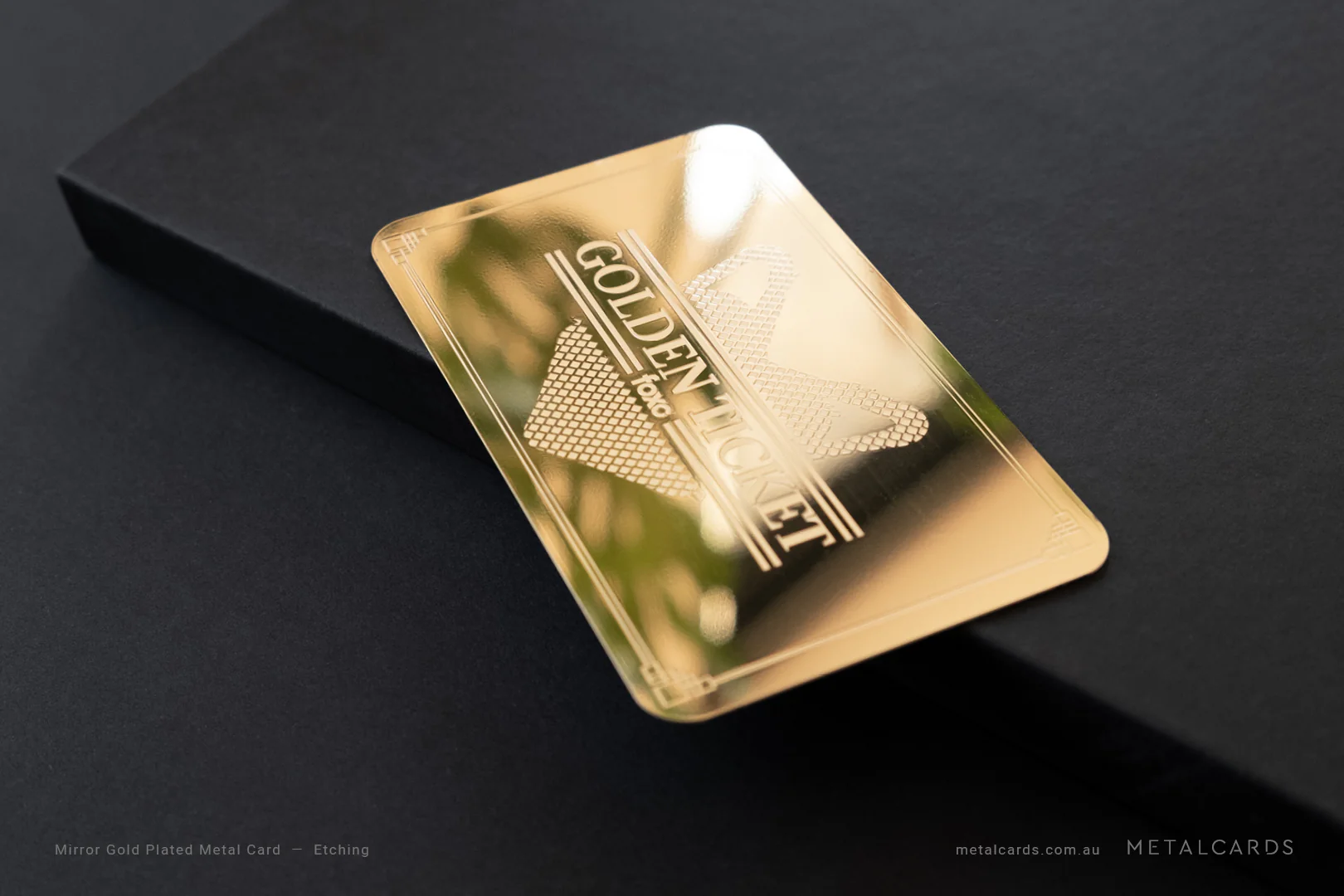
That does not mean one is always better. It means the best choice depends on what impression they want to create, who they hand it to, and what they need the card to do next.
What does research say about how quickly first impressions form?
People form first impressions within seconds, and they rely on quick signals like appearance, confidence cues, and “fit” for the context. In Metal Business Cards vs Paper Cards, the card acts as a micro-signal of brand positioning: premium, modern, eco-focused, minimal, playful, or traditional.
The key point from first-impression research is not that a card decides everything. It is that small cues can nudge judgments when the receiver has limited information.
Do physical materials really change how people judge quality?
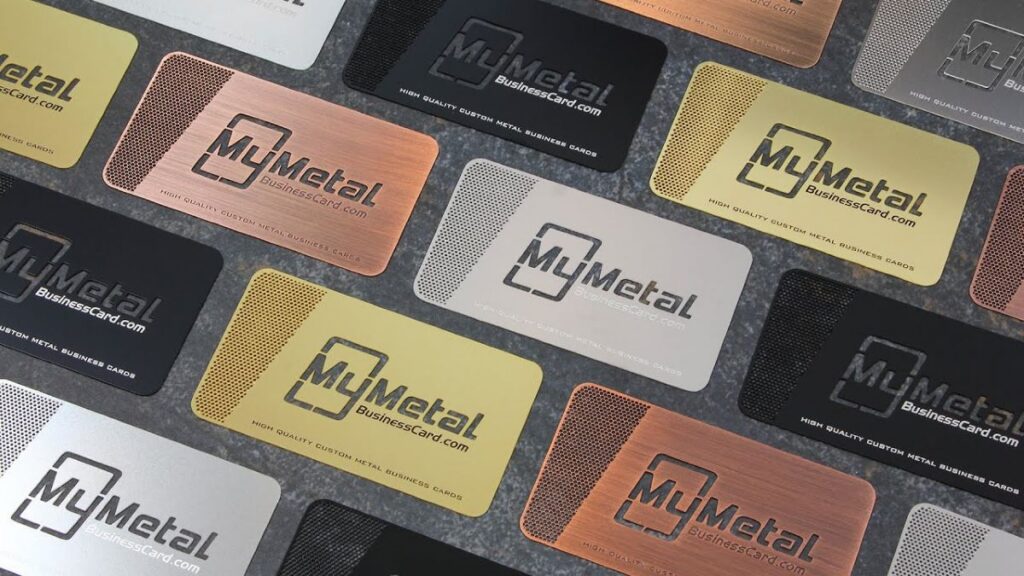
Yes. Across consumer psychology, “haptic cues” (what something feels like) influence quality perception. Heavier items are often perceived as more valuable, and smoother or more substantial finishes are often read as more “engineered” or “high-end.” In Metal Business Cards vs Paper Cards, metal naturally benefits from this bias.
Paper can still signal quality, but it usually requires deliberate choices: thick stock, soft-touch lamination, letterpress, edge painting, or a clean typographic system. Without that, many paper cards are read as commodity items.
What does the data suggest about recall and memorability?
Distinctiveness improves memory. When an object is unusual in a familiar category, it is more likely to be noticed, talked about, and remembered. In Metal Business Cards vs Paper Cards, metal often wins on distinctiveness because most people still expect paper.
That said, memorability is not only about material. If they hand out metal cards that all look the same, or if the information is hard to read, recall can drop. Clear hierarchy, readable typography, and a single “next step” matter as much as the substrate.
Are metal cards actually better for starting conversations?
Often, yes, because novelty creates an easy opening line. In Metal Business Cards vs Paper Cards, metal can function like a conversation prop, especially in networking settings where people are looking for a reason to engage.
But conversation value depends on context. In formal industries, a flashy card can feel misaligned. In creative, tech, luxury, or high-ticket services, the same card can feel perfectly on-brand.
How do cost and ROI compare in the real world?
The practical question in Metal Business Cards vs Paper Cards is not the price per card. It is the cost per meaningful follow-up. Metal cards are more expensive, so they tend to make sense when they hand out fewer cards but each interaction is high value.
Paper cards are cost-efficient for volume. They can be refreshed frequently, tailored by role, or localized by market. For many teams, paper delivers strong ROI because distribution is wide and replacement is painless.
What are the drawbacks that can hurt first impressions?
Metal can backfire if it feels like a gimmick, if it is too heavy to carry, or if the design sacrifices legibility. In Metal Business Cards vs Paper Cards, a “premium” material does not excuse cramped text, tiny fonts, or low-contrast engraving.
Paper’s biggest drawback is being forgettable. A thin, glossy, template-style card can read as generic and may blend into a stack. If they choose paper, elevating stock and design is often what protects the first impression.
Which option fits different industries and goals best?
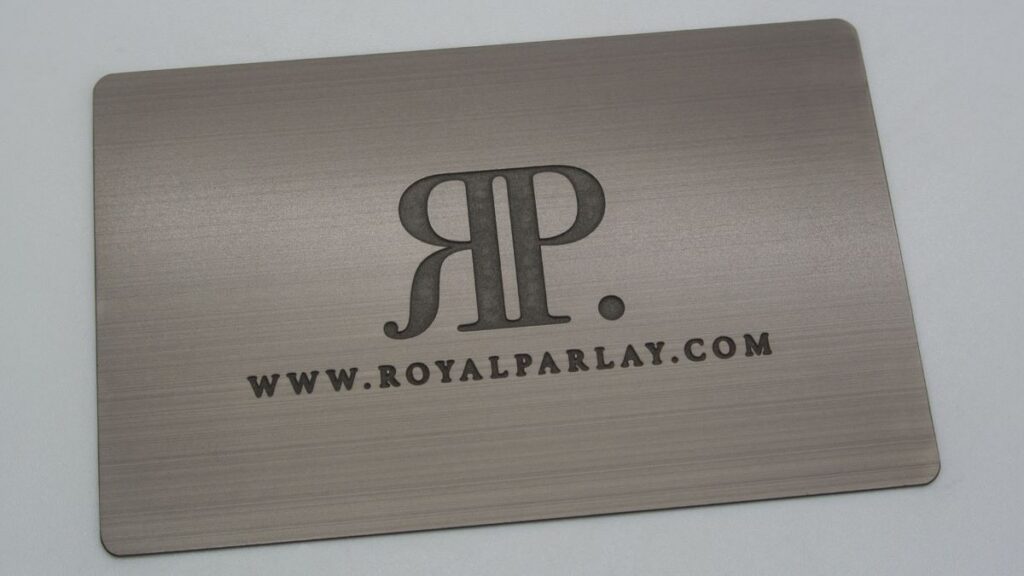
In Metal Business Cards vs Paper Cards, metal usually fits brands that sell premium outcomes: luxury real estate, high-end design, bespoke services, executive consulting, and certain tech founders who want a modern signal. It can also fit roles where they only need a small number of cards and each one should feel “kept.”
Paper usually fits teams that need flexibility: sales teams, events, conferences, local services, and companies that iterate branding often. Paper also fits brands that want to emphasize approachability, sustainability, or minimalism.
How can they choose based on what they want the recipient to do next?
The best way to decide in Metal Business Cards vs Paper Cards is to define the job of the card. If the goal is to be remembered and spark a follow-up later, metal can help, as long as the details are instantly readable.
If the goal is frictionless sharing of contact details at scale, paper is often better. Either way, they should include one clear call to action, such as a QR code to a specific landing page, not just a generic homepage.
What is the simplest, data-informed recommendation?
If they want maximum distinctiveness and a premium cue, Metal Business Cards vs Paper Cards often favors metal, especially in high-value, low-volume networking. If they want flexibility, low cost, and broad distribution, Metal Business Cards vs Paper Cards often favors paper, especially with upgraded stock and clean design.
The material sets the tone, but the design, context, and follow-up system decide whether the first impression turns into a second conversation.
More to Read : Custom Air Fresheners vs Standard Promotional Products: Which Has Better Recall?